
Learn how collagen supports firm, smooth skin and a sharper jawline. Michigan readers: get evidence-based tips and treatments to protect and rebuild collagen.

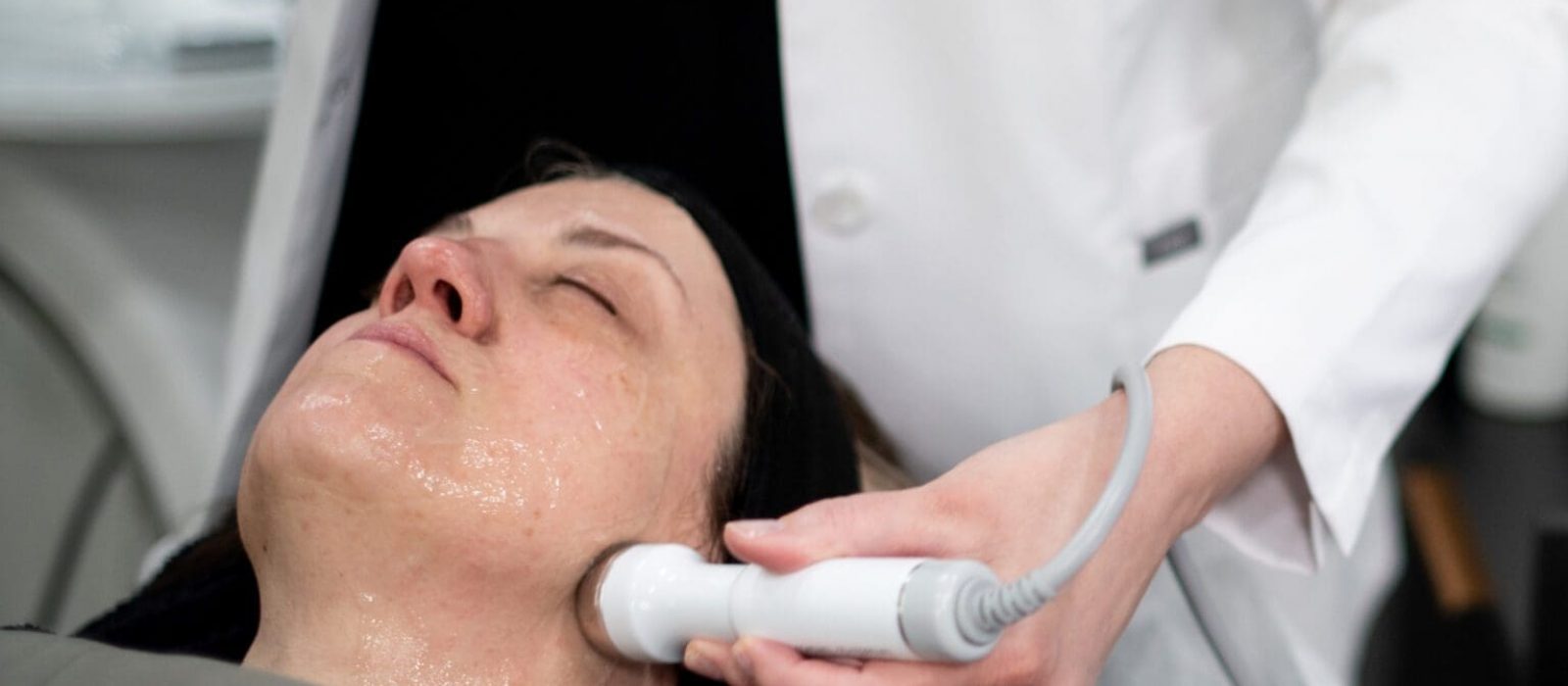
From supple cheeks to a defined jawline, collagen is the scaffolding that keeps skin firm, smooth, and resilient. In this guide, we unpack the science of collagen—what it is, why it declines, and how to support it effectively. If your goal is a sharper jawline Michigan residents frequently ask about, understanding collagen is the smartest place to start.
What Exactly Is Collagen?
Collagen is the most abundant protein in the human body and a primary component of the dermis (the skin’s middle layer). Think of it as a tightly woven net of long, rope-like fibers produced by specialized skin cells called fibroblasts. This network gives skin its structure and tensile strength. Alongside elastin (which allows skin to snap back) and hyaluronic acid (which provides hydration), collagen helps skin look lifted, plump, and youthful.
Why Collagen Declines With Age
Beginning in our mid-20s, collagen production naturally slows by about 1–1.5% per year. By the time we reach our 40s and 50s, the balance tips: the body breaks down more collagen than it creates. Several factors accelerate this process:
- UV exposure: Ultraviolet light triggers enzymes (matrix metalloproteinases, or MMPs) that degrade collagen and disrupt the skin’s support system.
- Glycation (sugar damage): Excess glucose binds to collagen fibers, making them stiff and brittle.
- Inflammation and oxidative stress: Pollution, smoking, and stress increase free radicals that damage collagen.
- Hormonal shifts: Estrogen and testosterone decline can reduce fibroblast activity.
Collagen and a Sharper Jawline
Jawline definition isn’t only about facial fat; it’s also about the tightness and integrity of the skin’s collagen framework. When collagen fibers thin or loosen, skin at the lower face can appear softer, contributing to jowling. By protecting existing collagen and stimulating new collagen, you can enhance jawline contour over time. For anyone researching how to achieve a sharper jawline Michigan patients often discuss with their providers, collagen-centered strategies are foundational.
Evidence-Backed Ways to Support Collagen
Collagen support is a multifaceted approach combining daily habits, targeted skincare, and—in select cases—professional treatments. Here’s what science suggests:
- Nutrition for building blocks: Collagen is built from amino acids (glycine, proline, hydroxyproline). Prioritize lean proteins (fish, poultry, legumes), vitamin C (citrus, berries, peppers) to power collagen synthesis, and minerals like copper and zinc.
- Sun protection: Daily broad-spectrum SPF 30+ is the #1 collagen-saving habit. Reapply every two hours when outdoors.
- Topical retinoids: Prescription and over-the-counter retinoids (like retinol) are among the most studied ingredients for boosting collagen production and improving skin texture.
- Peptides and growth factors: Certain peptides can signal fibroblasts to produce new collagen, supporting firmness.
- Antioxidants: Vitamin C serums and other antioxidants help neutralize free radicals that break down collagen.
- Healthy lifestyle: Avoid smoking, manage stress, prioritize sleep, and moderate alcohol—each impacts collagen quality.
In-Office Options That Stimulate Collagen
When home care isn’t enough, professional treatments can accelerate collagen remodeling and improve jawline definition:
- Microneedling (with or without radiofrequency): Creates controlled micro-injuries that trigger a wound-healing cascade and fresh collagen formation, tightening lax skin around the lower face.
- Ultrasound or RF skin tightening: Delivers energy to deeper layers of the dermis to contract tissue and stimulate new collagen over months.
- Biostimulatory injectables: Products like calcium hydroxylapatite or poly-L-lactic acid encourage gradual collagen synthesis for improved firmness and contour.
- HIFU and laser therapies: Can target supportive tissues beneath the skin for lifting effects when appropriate.
If you’re seeking a sharper jawline Michigan providers may recommend a personalized plan that layers medical-grade skincare with one or more collagen-stimulating procedures based on your skin type, anatomy, and goals.
Managing Expectations: Timelines and Results
Collagen changes happen gradually. Even with effective treatments, new collagen fibers take weeks to form and months to mature. Many patients notice progressive improvements in skin density and jawline definition over 3–6 months, with optimal results building over 6–12 months. Consistency—SPF, active skincare, healthy habits, and maintenance treatments—determines the longevity of your results.
Frequently Asked Questions
Do collagen supplements work?
Emerging research suggests hydrolyzed collagen peptides can modestly improve skin hydration and elasticity in some individuals. Results vary by dose, product quality, and overall diet. Pair supplementation with topical actives and sun protection for best outcomes.
Can I spot-target collagen only at the jawline?
Topicals work globally where they’re applied, but they don’t “choose” the jawline. Procedures that focus energy or stimulation to the lower face can prioritize collagen production in that area and support a more defined contour.
How soon will I see a difference?
Skincare actives may take 8–12 weeks for visible texture and firmness changes. Energy devices and biostimulatory injectables typically show incremental improvements over several months as collagen remodels.
The Bottom Line
Collagen is the skin’s structural backbone. Protect it daily with SPF and antioxidants, stimulate it with proven actives like retinoids and peptides, and—in consultation with a qualified professional—consider in-office therapies for targeted tightening. If your goal is a sharper jawline Michigan patients seek, a collagen-focused strategy offers one of the most reliable paths to smoother, firmer, and more youthful-looking skin.
Tags:Skincare